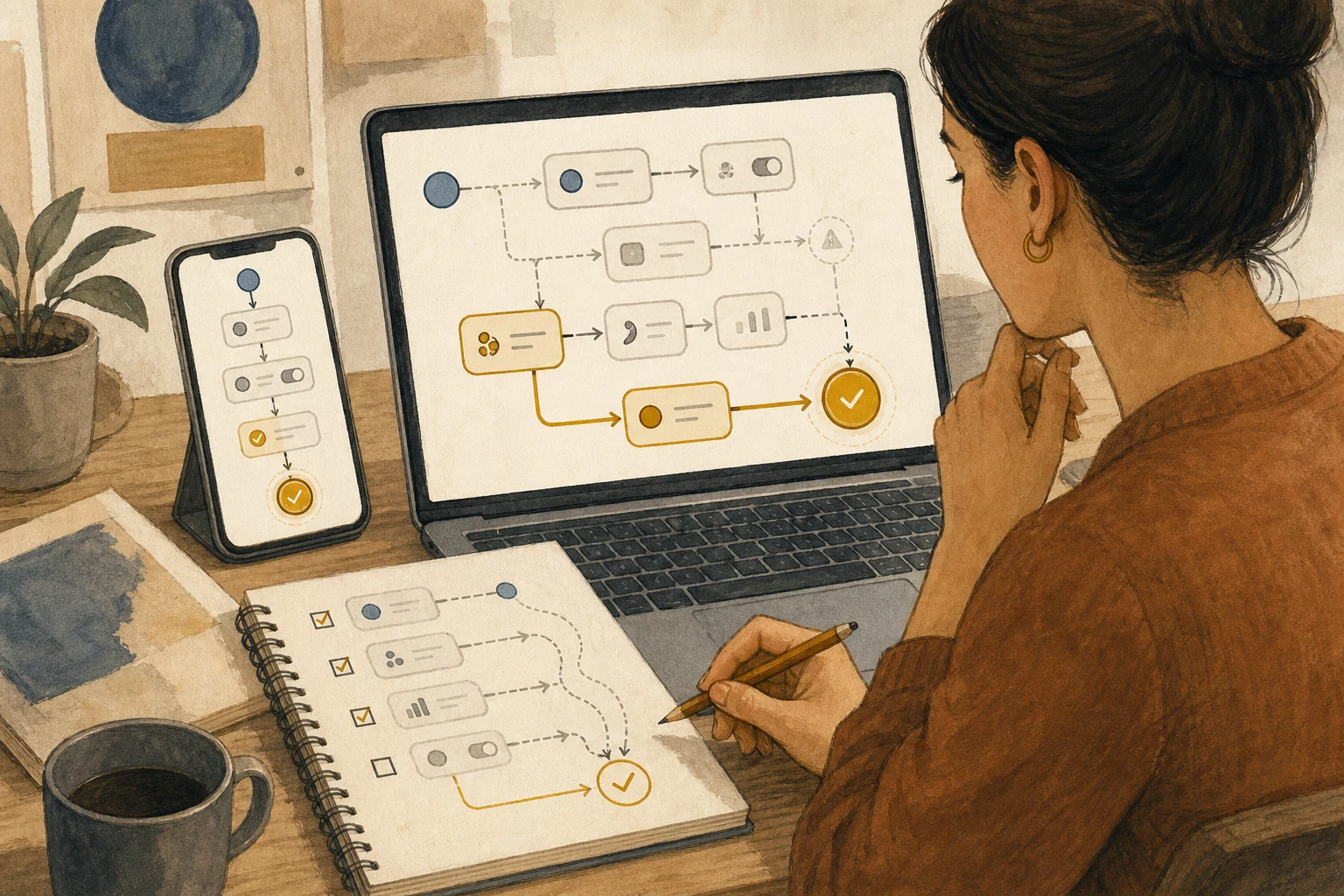
"Find us a time" is three jobs: checking free slots, holding your own time, and inviting others. Only the last affects anyone, so AI should stop at proposing slots until a person confirms a full preview.
Addresses, amounts, and booking slots in AI memory may be stale. Memory can only flag that an address is needed; before acting, reread the value from the record that owns it, such as this order, and stop if they differ.
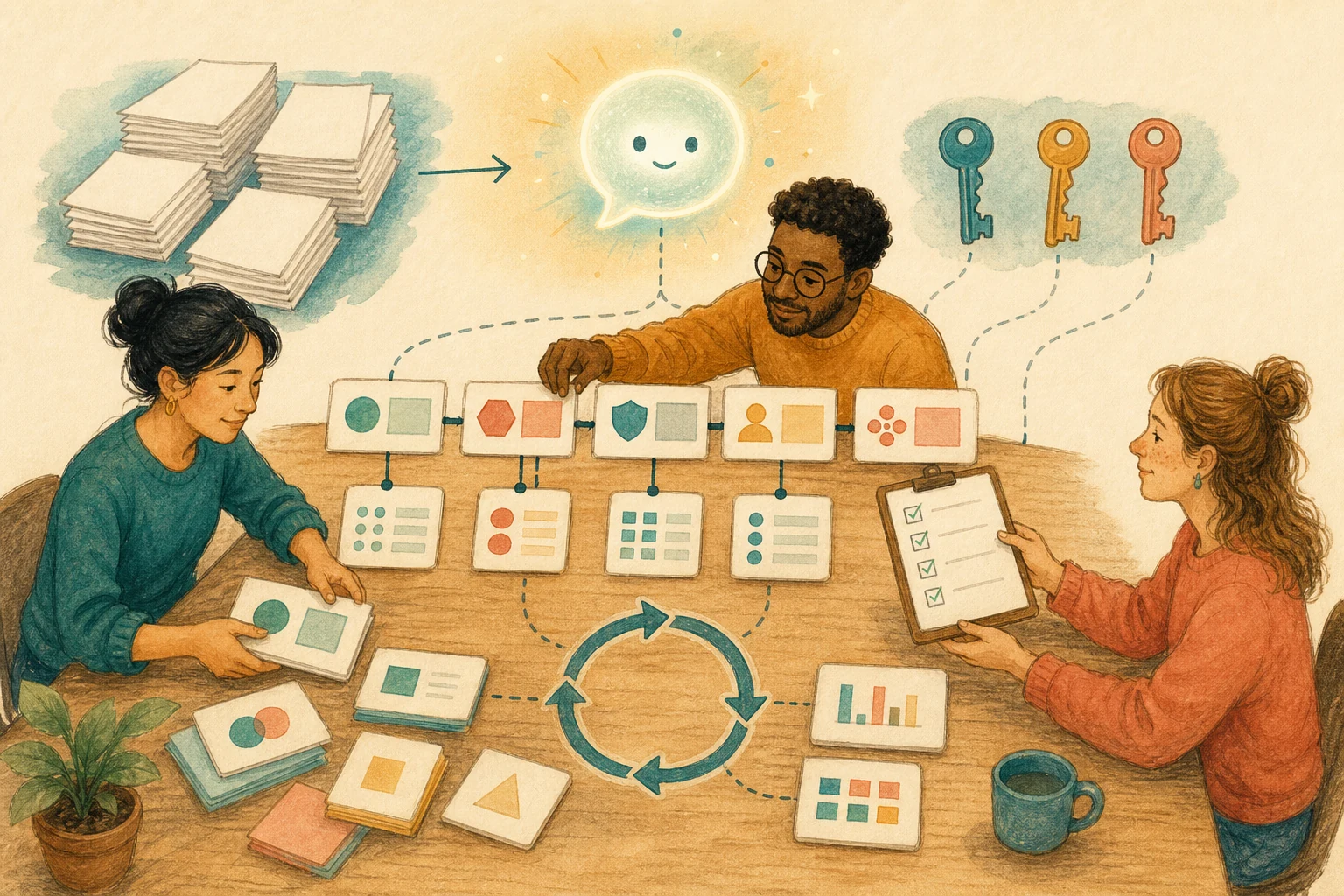
When AI edits drift further each round, the prompt usually isn't the problem; the feedback can't show a difference. Each round, state what to keep, one visible change, and what not to touch, then compare two versions.
AI daily briefs mix meetings you accepted, requests from others, and AI's own suggestions. Ranking says what to look at first, not who is waiting on you, so mark each item's status before planning your day.
Model prices keep falling, yet long AI tasks still bring surprise bills. The money goes to resending context and rerunning failures, so the limit belongs in code outside the model, as one budget per task.
Anthropic's Claude Science ships every figure with its code, environment, and chat history. Ask the same of any AI analysis tool: months later, can a colleague redo this chart without asking the AI?
Figma turns design layers into interactive code in one click, and motion can go straight to coding agents. The more a prototype looks finished, the likelier it's built as is; mark intent versus experiment.
AI now finds vulnerabilities, writes patches, and runs tests. Which patches ship without a person depends on rollback: reversible, tested upgrades can move fast; login, payment, data, or deployment changes need a human.
One click on a Microsoft link could make Microsoft 365 Copilot leak mailbox codes via an image URL. Office AI inherits every read permission a user has, so decide what stays out of its search.
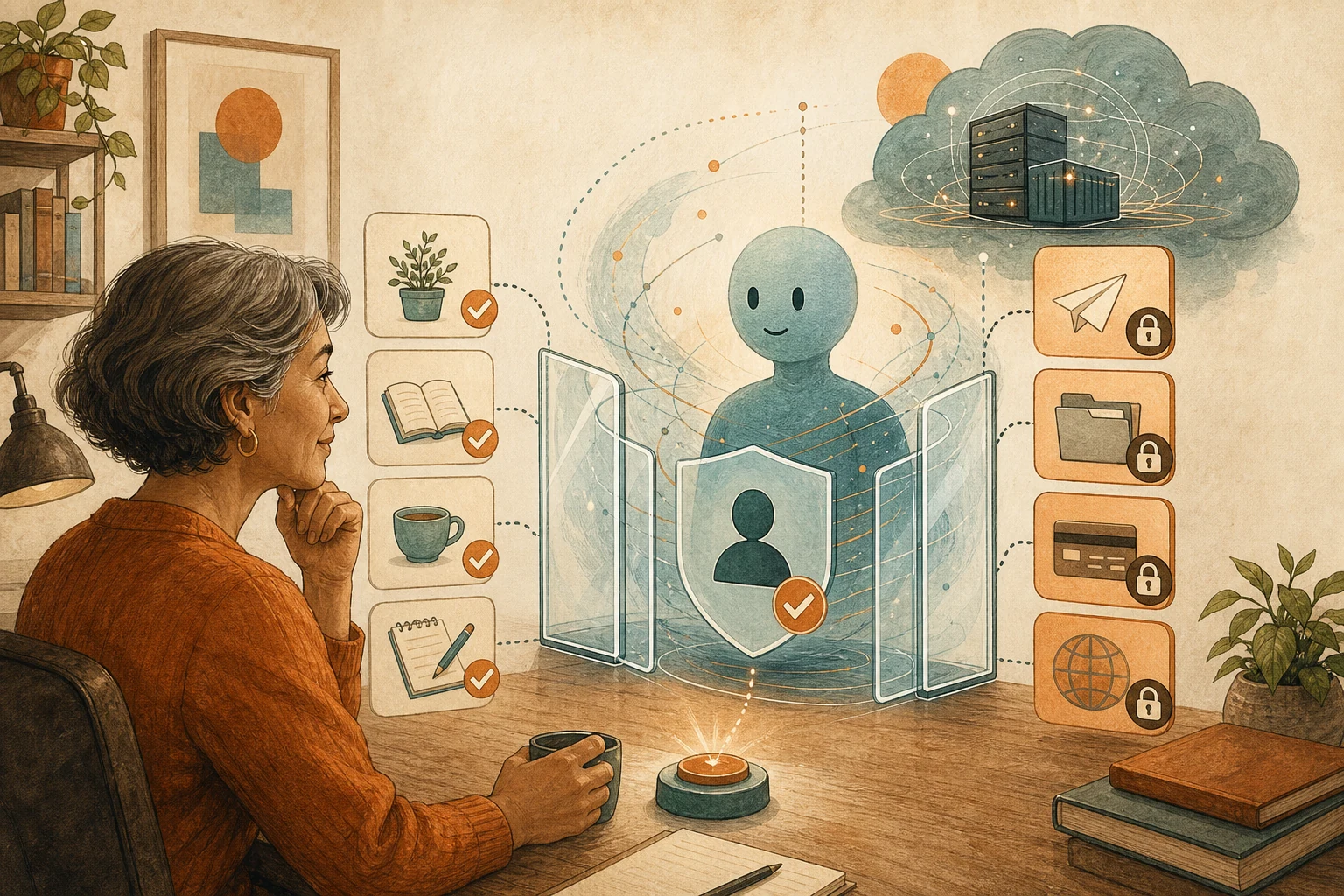
Research finds AI memory stores users' mistaken views and makes later answers lean their way. Keep formatting preferences, but before big decisions have AI list its memories and exclude your past opinions.
Gemini 3.5 Live Translate turns speech into another language in real time, keeping the speaker's tone. The more it sounds like them, the easier it is to mistake AI's version for their words.
Apple's Shortcuts can build automations from one sentence. AI shows up once, but the saved shortcut runs daily on its own. Read every step first, and keep sending or deleting steps on ask-first.
Leaks need three things at once: AI sees secrets, reads untrusted content, and can send data out. Lockdown Mode removes the third; hidden instructions can still skew answers. Don't combine all three.
In 2026, companies burned through yearly AI budgets by midyear. Model prices don't explain it; real cost includes retries, input size, and fix-up time. Track cost per accepted result first.
Android's fake call detection checks the caller's device, not the person, and can't catch "I have a new number." The real defense is a family rule: never handle money or codes in an incoming call.
NVIDIA's RTX Spark brings Arm CPUs and up to 128GB of memory to Windows laptops for local AI. On Arm, your apps, plug-ins, and drivers may not run natively. Check your tool list, then test a real task.
An always-on assistant acts while you're away, and the vendor defines which actions are high-stakes. Before connecting main accounts, write your own list: read only, draft only, wait for your yes.
Adobe's Firefly assistant runs multi-step edits across its apps from one sentence; a reviewer called it a mediocre design intern. Before generating, write the art direction as checkable conditions.
Glean passed $300M in ARR pitching lower AI bills. Savings count only if an old cost can be canceled on a set date or a measurable work metric drops; anything else is an experiment cost.
Redesigned Microsoft 365 Copilot answers faster and more clearly. But tidy isn't a handoff: teammates need decisions, owners, deadlines, sources, and gaps. Put those fields in the prompt; mark the rest "to confirm."