About 13 words on a page like Reddit got deep-research AI to cite an attacker's pick in 38-51% of reports. A citation shows where AI read it, not that it's true; back decisions with a source no one can edit.
The UK tests face age AI for asylum seekers, saying officers decide; reports find it rates minors as adults, worse for some groups. If AI affects how people are treated, design who can overrule it first.
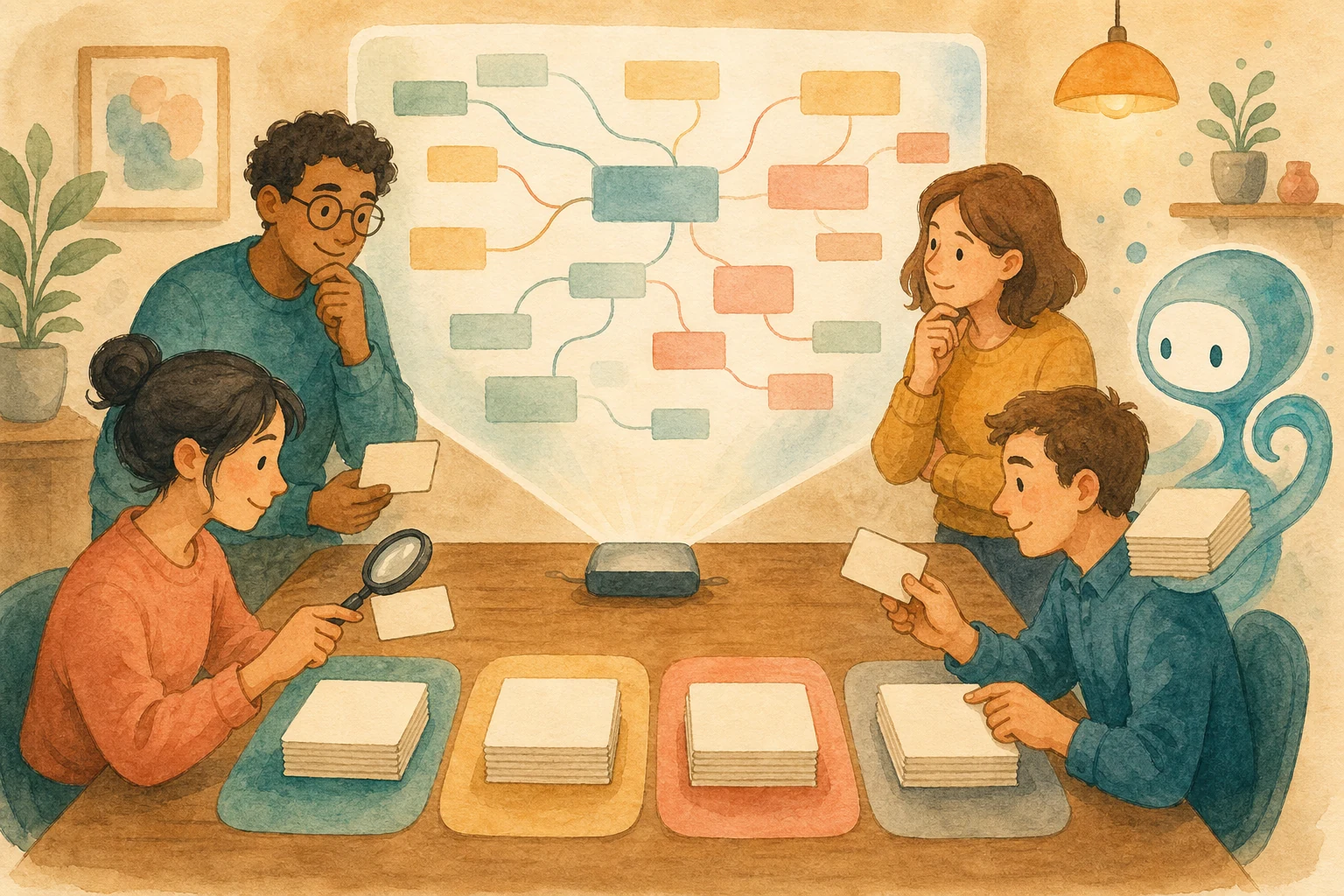
To teach AI how you work, many start by building a full knowledge base and stall on structure and tools. Start instead from the time AI got it wrong: write the fix as a specific rule, keeping only what changes next time.
More people use AI, yet most think it's moving too fast. Usage isn't trust. Whether an AI feature should be pushed harder depends on whether users can opt out, undo what it did, and reach a person when it fails.
KPMG pulled an AI report after only 5 of 45 citations proved accurate. The worst errors look well sourced, so check citations, named cases, and numbers against originals first, and leave out anything unmatched.
AI makes fake sites and texts fast and convincing; even Taiwan's official government short code has been spoofed. Instead of judging whether a text looks real, ask: can I do what it wants without tapping this link?
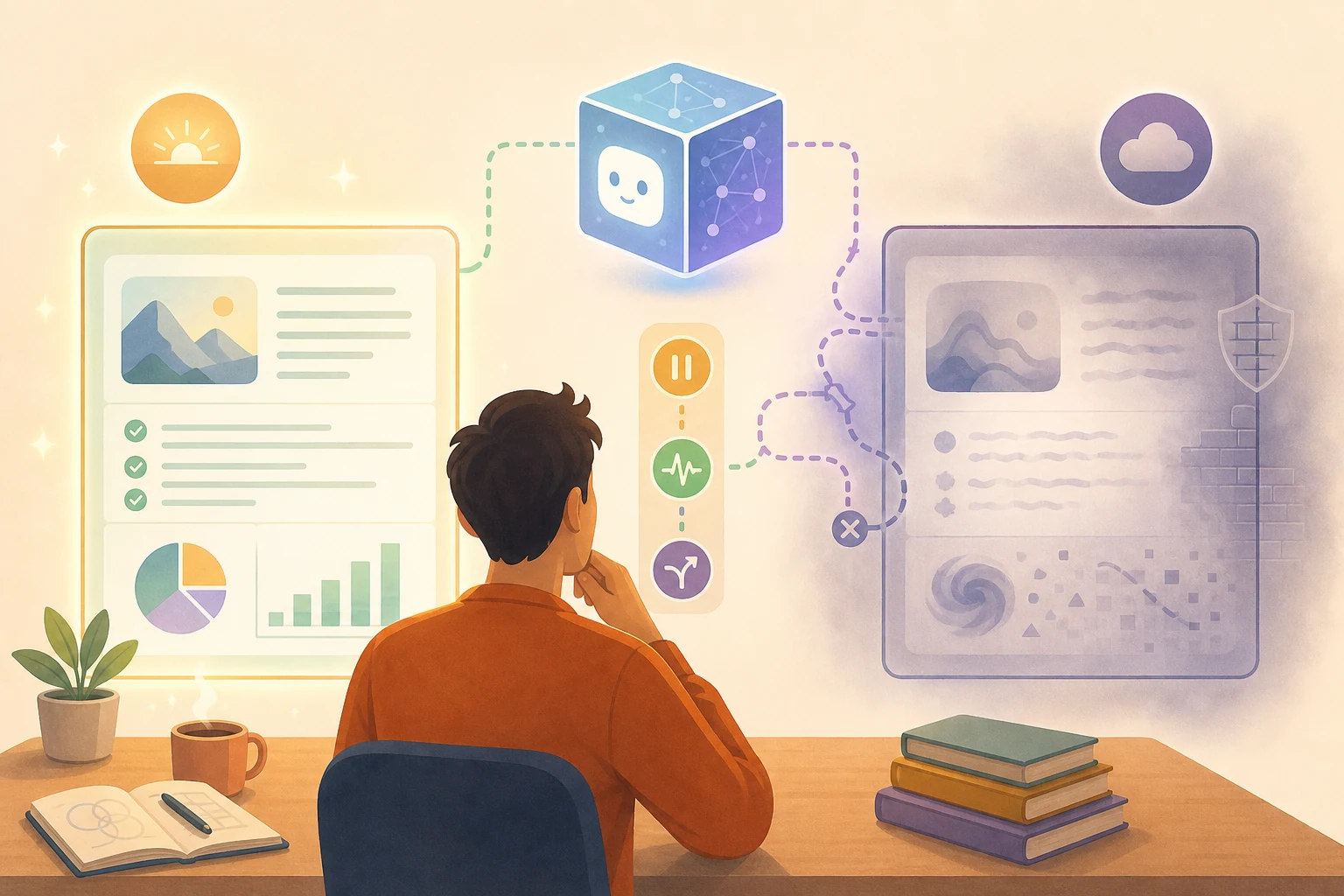
Anthropic once hid a Claude Fable 5 safeguard that quietly degraded some outputs, then apologized. You can't see vendor changes; keep fixed test questions and saved answers, and rerun them.
Platforms now label AI content, but a label only says how it was made. To see less junk, ask whether an item has sources, someone accountable, and stated limits, then reshape where your information comes from.
Google now lets sites opt out of AI search features worldwide, at the cost of their traffic and exposure. Don't switch the whole site; ask page by page whether readers still have a reason to click through.
A New York startup cleans homes free if it can film the work and license the footage for robot training. Blurring hides faces, not your home's layout. Ask who gets it and whether you can delete it.
When AI should stop can't depend on it saying "I'm not sure." Make stops visible events: missing fields, conflicting sources, an outbound next step, unknown state. Leave a record others can pick up.
Whether a site needs an API or MCP depends on whether AI must read public content, look up changing data, or act for someone. Each carries different duties; most sites should first fix the public pages AI reads.