About 13 words on a page like Reddit got deep-research AI to cite an attacker's pick in 38-51% of reports. A citation shows where AI read it, not that it's true; back decisions with a source no one can edit.
AI now finds vulnerabilities, writes patches, and runs tests. Which patches ship without a person depends on rollback: reversible, tested upgrades can move fast; login, payment, data, or deployment changes need a human.
More people use AI, yet most think it's moving too fast. Usage isn't trust. Whether an AI feature should be pushed harder depends on whether users can opt out, undo what it did, and reach a person when it fails.
DockSec uses AI to explain Docker scan findings, but its auto-fix only makes mechanical Dockerfile edits, never base image picks, secrets, or compose files. Teams can adopt that line too.
KPMG pulled an AI report after only 5 of 45 citations proved accurate. The worst errors look well sourced, so check citations, named cases, and numbers against originals first, and leave out anything unmatched.
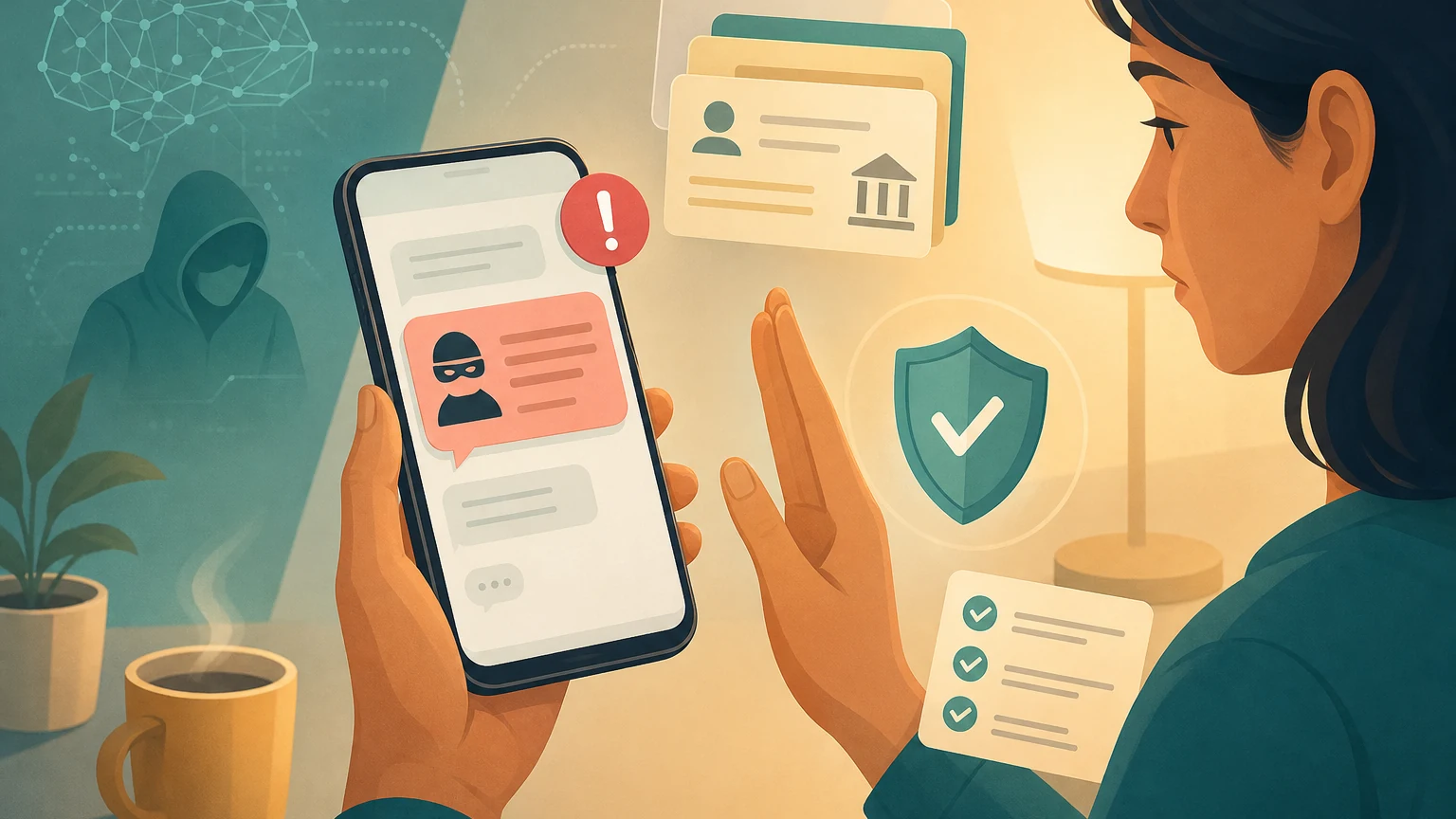
AI makes fake sites and texts fast and convincing; even Taiwan's official government short code has been spoofed. Instead of judging whether a text looks real, ask: can I do what it wants without tapping this link?
Anthropic once hid a Claude Fable 5 safeguard that quietly degraded some outputs, then apologized. You can't see vendor changes; keep fixed test questions and saved answers, and rerun them.