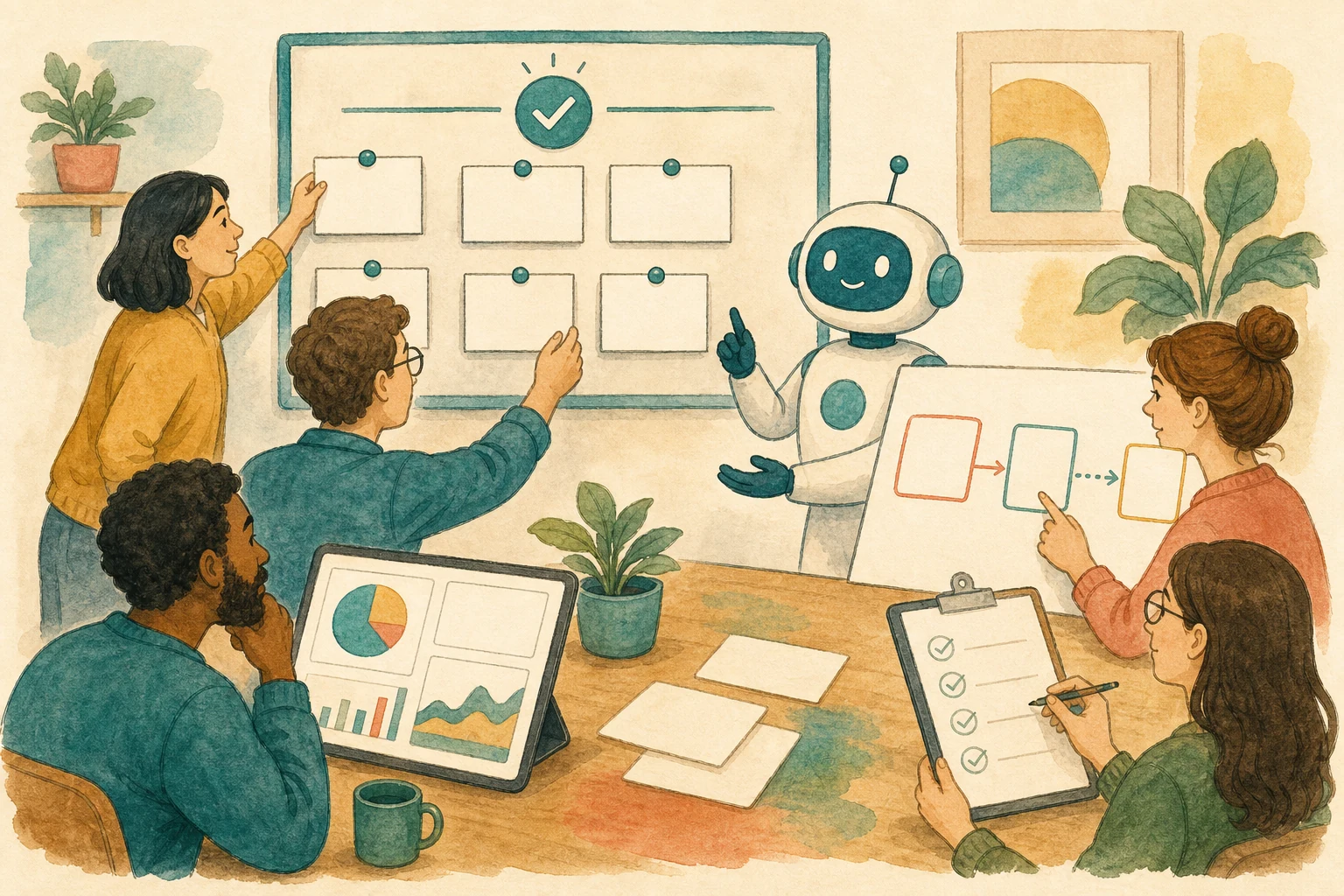
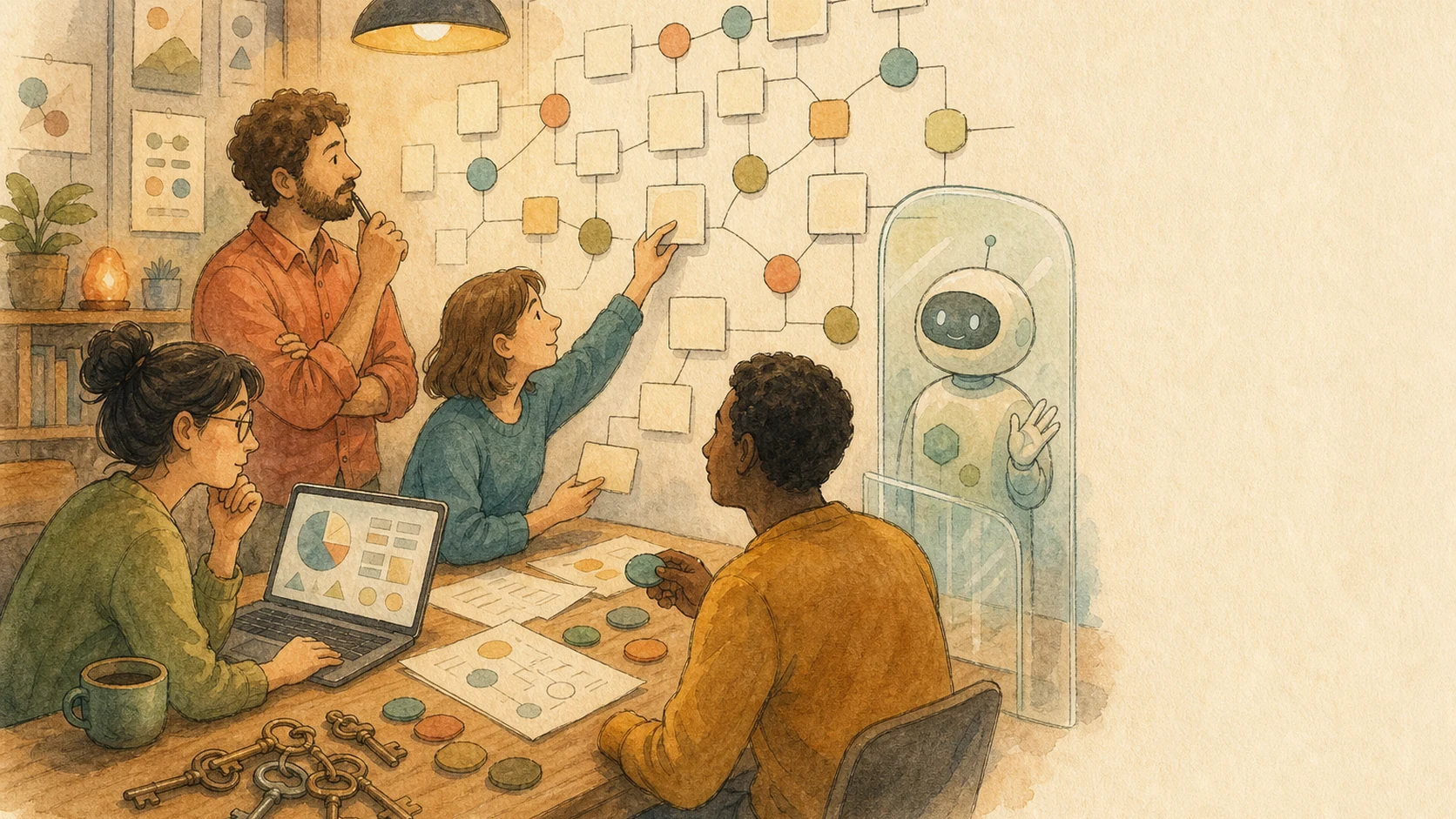
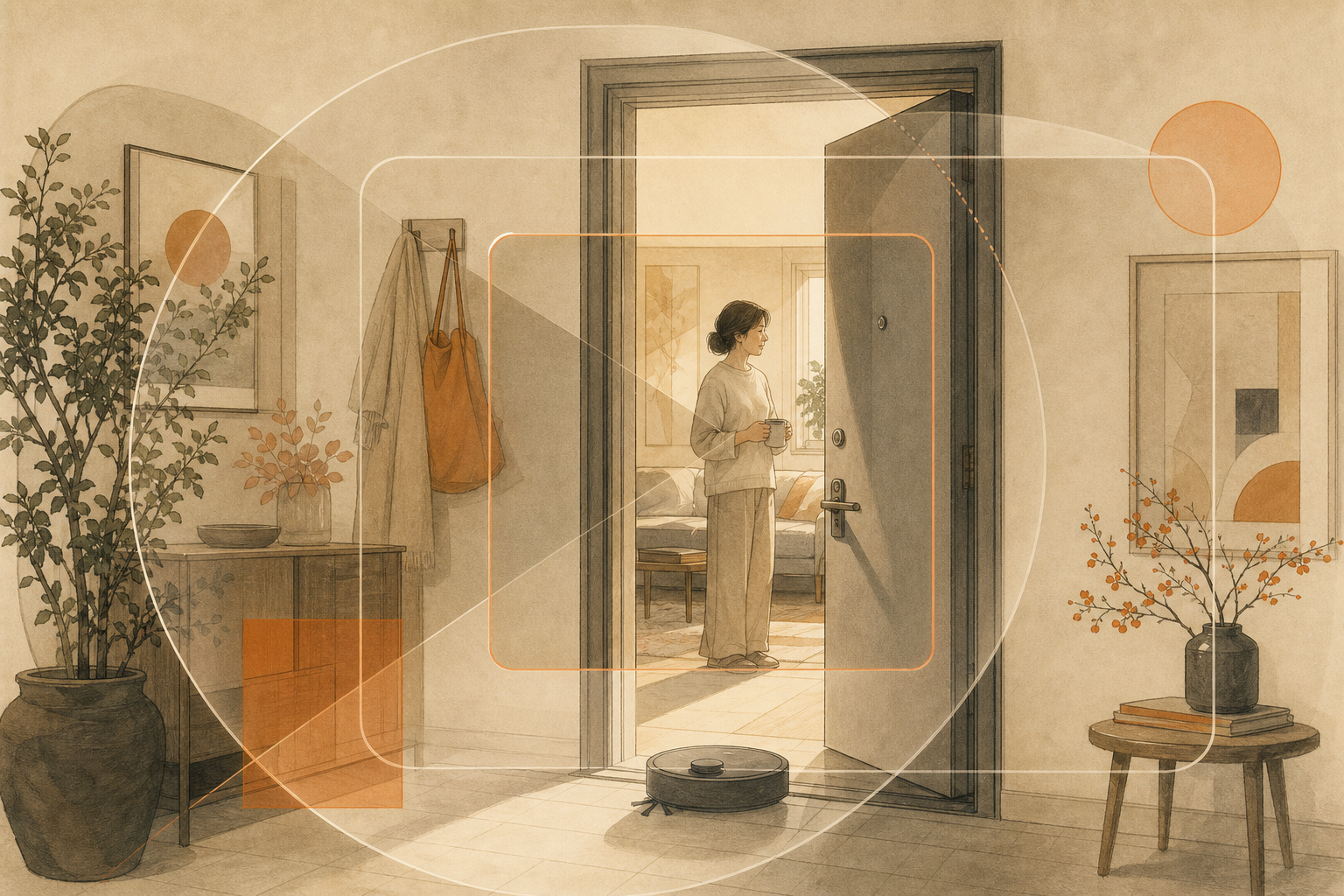
When AI cleans a shared drive, delete can mean trash or permanent removal. Judge it by recovery: AI lists candidates, a person approves a quarantine, a sample restore proves it, and deletion is decided later.
The pop-up when AI notes start only shows a status, not agreement on where the record goes. Settle what's recorded, who can stop it, who receives it, and where it's stored, and stop when talk turns sensitive.
In Anthropic's internal case, the same Claude went from under 21% to over 95% accuracy on company numbers once sources and definitions were curated, then fell to about 65% after a month unmaintained.
Attackers breached Klue, stole customers' Salesforce tokens, and pulled CRM data. You can't fix a vendor; you control how much it can read, whether unusual queries are seen, and how fast you revoke.
KPMG pulled an AI report after only 5 of 45 citations proved accurate. The worst errors look well sourced, so check citations, named cases, and numbers against originals first, and leave out anything unmatched.
A New York startup cleans homes free if it can film the work and license the footage for robot training. Blurring hides faces, not your home's layout. Ask who gets it and whether you can delete it.