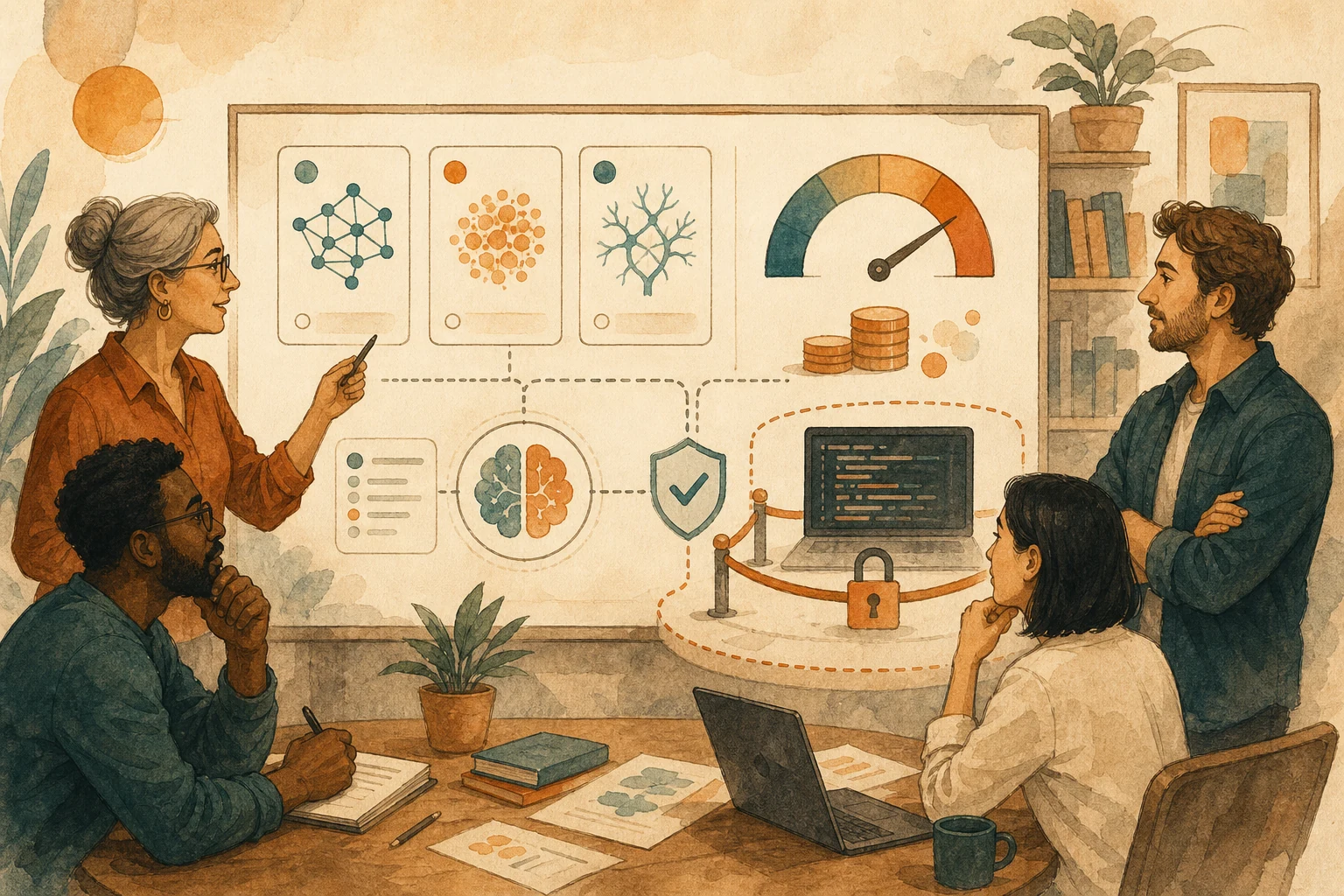
Tools like Google's AlphaEvolve generate many code variants and keep the top scorer, so anything the evaluator misses can be sacrificed. Write down baseline, score, hard limits, stop rules, and approver first.
AI made writing a first version cheap, but not reviewing or maintaining it. Treat it as a price check: merge only when someone can explain it without the AI chat and someone agrees to own it.
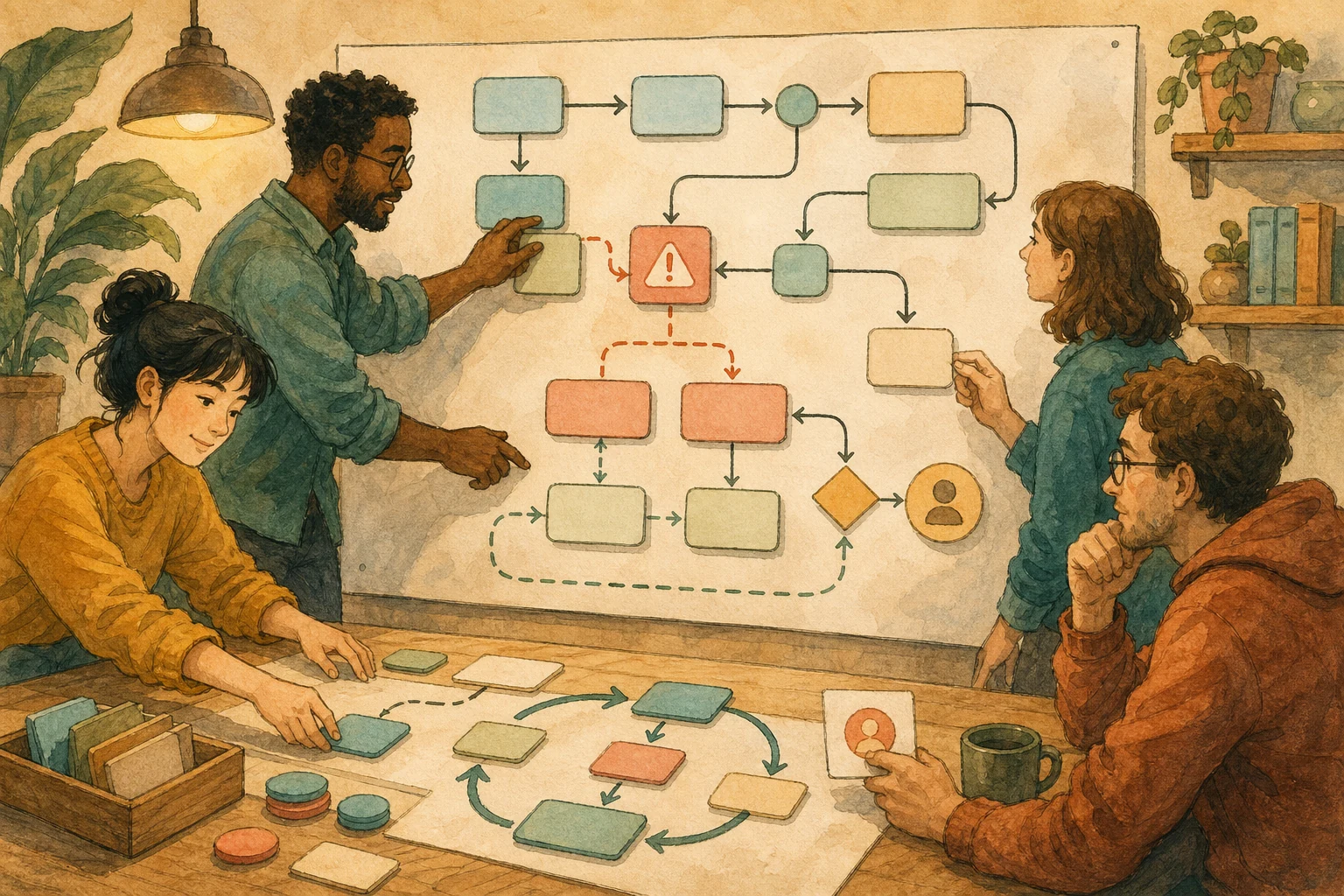
A workflow that fails after creating records or sending notices can do the same thing twice if rerun. Log IDs for each outward step, plan how to fix failures, put irreversible steps last, and stop when unsure.
Figma turns design layers into interactive code in one click, and motion can go straight to coding agents. The more a prototype looks finished, the likelier it's built as is; mark intent versus experiment.
AI now finds vulnerabilities, writes patches, and runs tests. Which patches ship without a person depends on rollback: reversible, tested upgrades can move fast; login, payment, data, or deployment changes need a human.
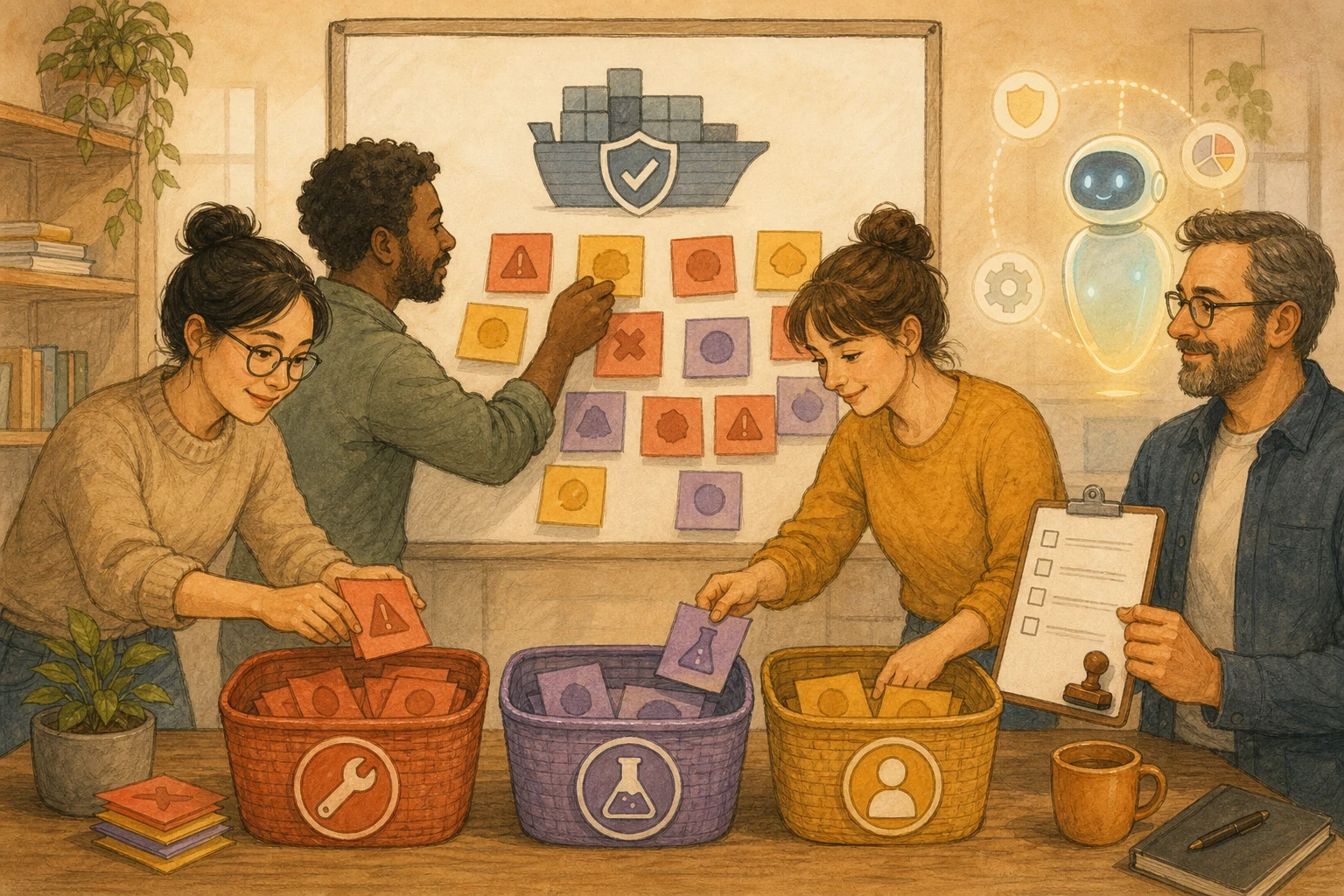
DockSec uses AI to explain Docker scan findings, but its auto-fix only makes mechanical Dockerfile edits, never base image picks, secrets, or compose files. Teams can adopt that line too.
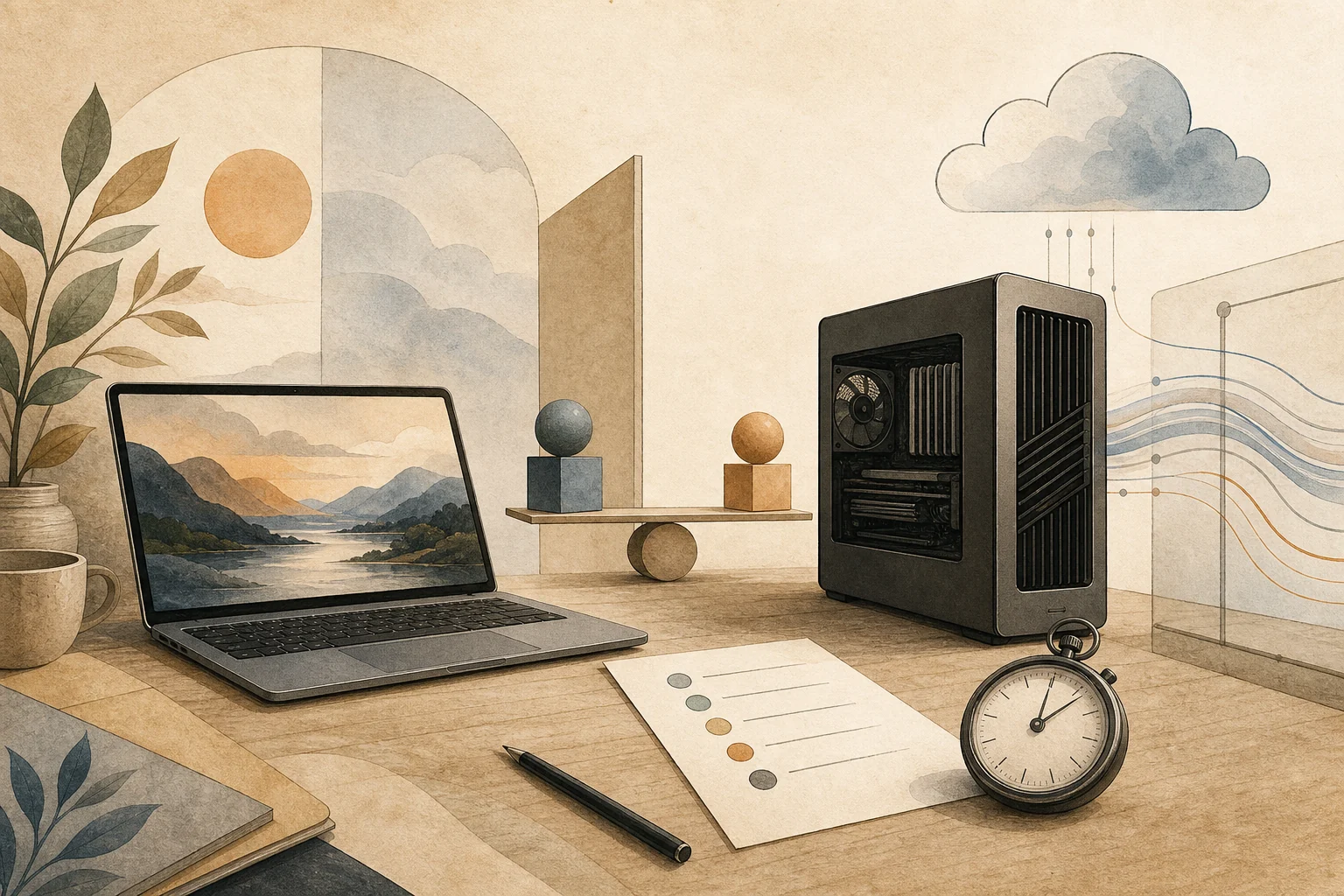
NVIDIA's RTX Spark brings Arm CPUs and up to 128GB of memory to Windows laptops for local AI. On Arm, your apps, plug-ins, and drivers may not run natively. Check your tool list, then test a real task.
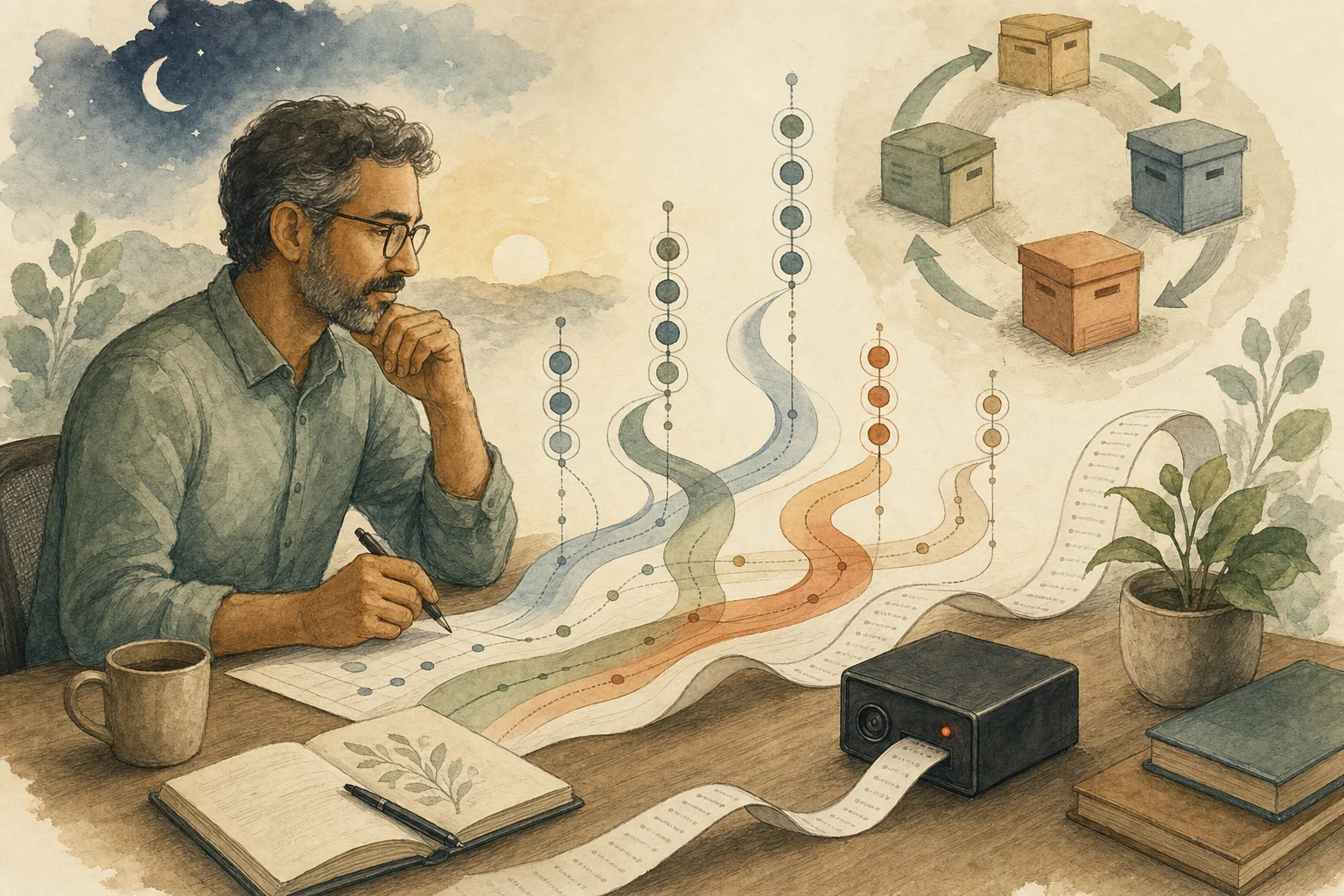
Good logs answer when, where, what happened, and with what data. Replay your last incident to see what's missing. Built-in logging can do it all; Loguru saves setup but logs variable values by default.
Copilot bills by usage from June 2026: completions stay free, chat and agents cost, with no cheap-model fallback. Decide whether to stop or pay when credits run out, and who gets the priciest mode.
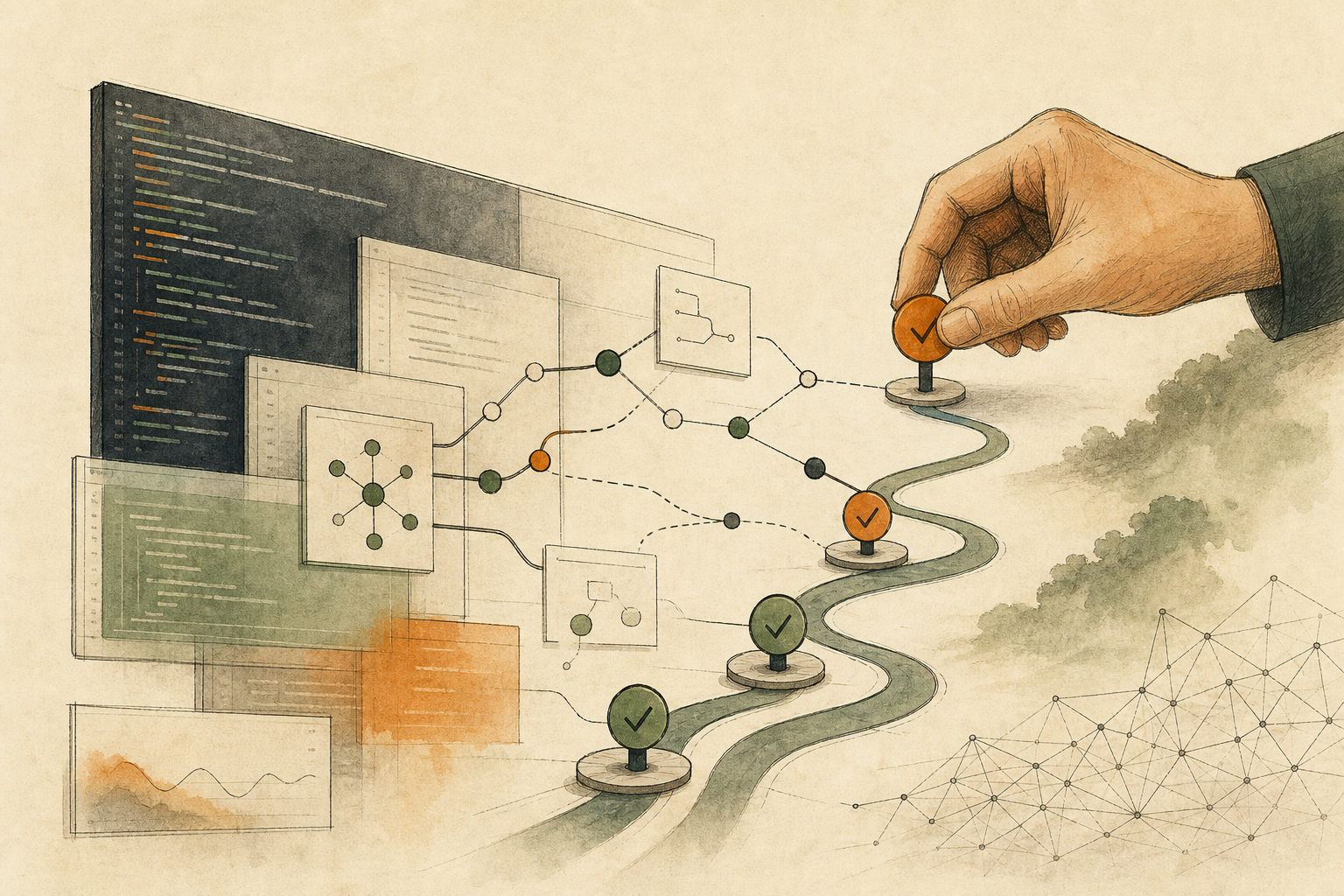
Coding agents can now go from issue to pull request, and AI can even approve the result. So the human checkpoint moves earlier: hand a task over only if you can describe its first independently reviewable diff.