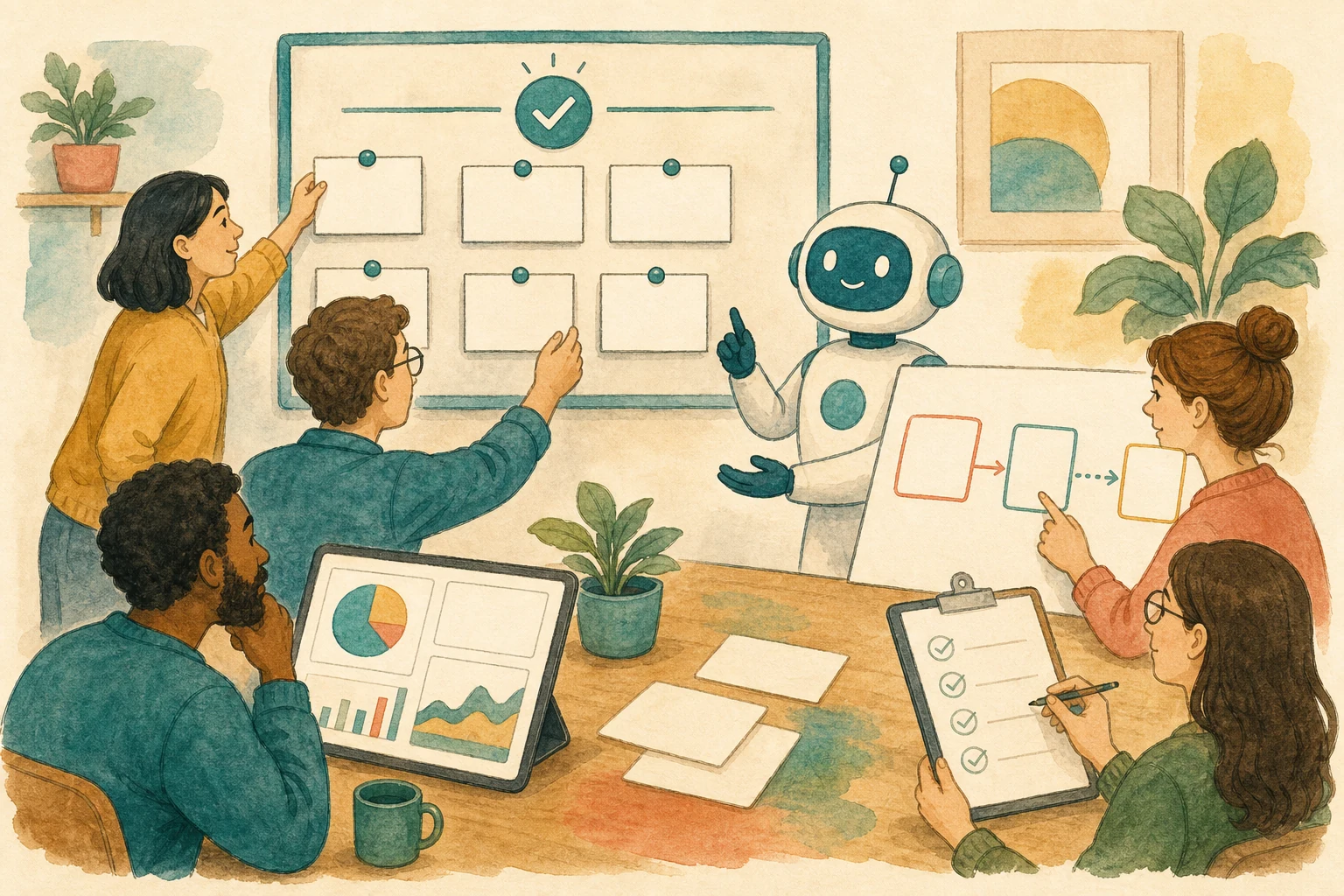
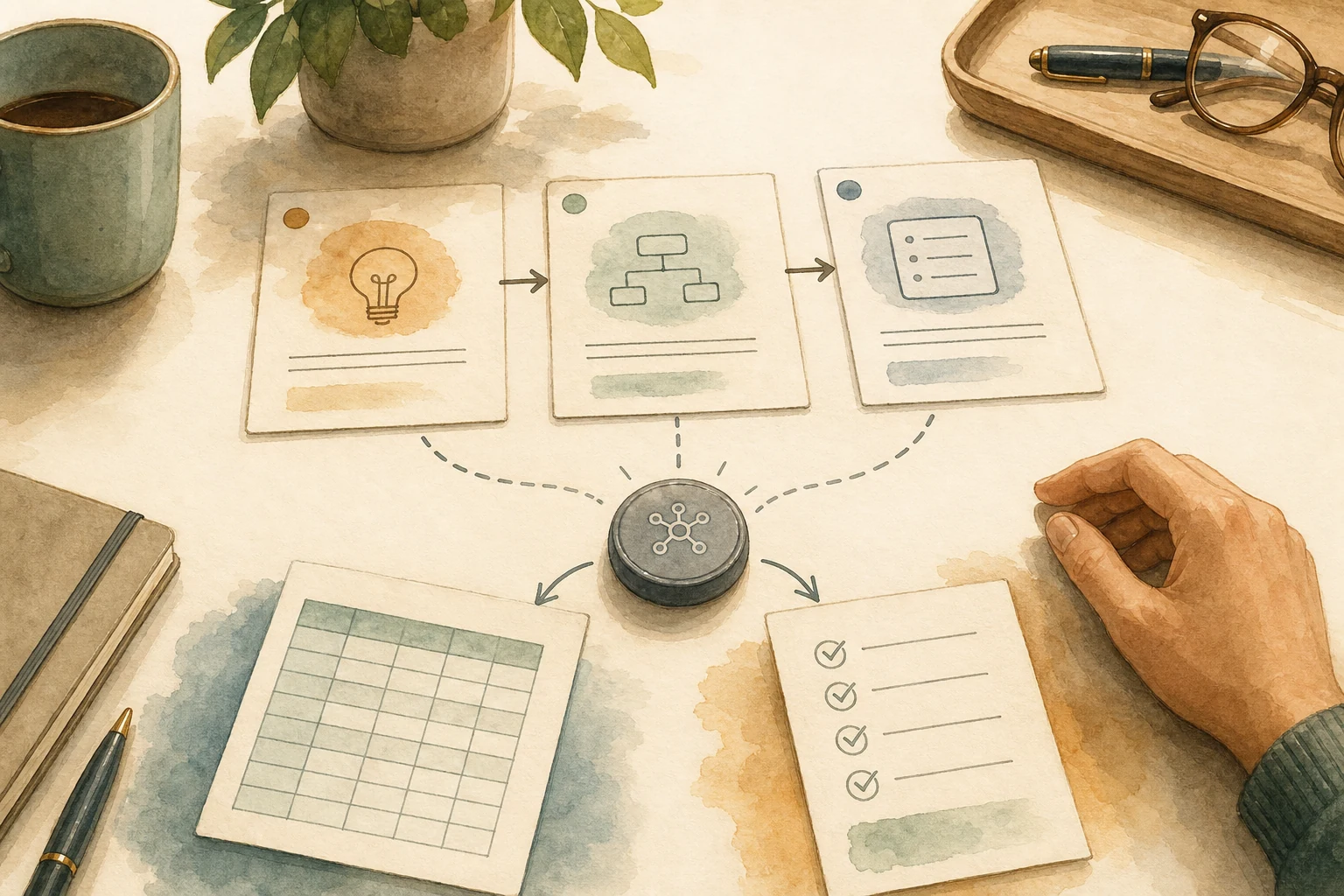
When AI edits drift further each round, the prompt usually isn't the problem; the feedback can't show a difference. Each round, state what to keep, one visible change, and what not to touch, then compare two versions.
Tools like Google's AlphaEvolve generate many code variants and keep the top scorer, so anything the evaluator misses can be sacrificed. Write down baseline, score, hard limits, stop rules, and approver first.
About 13 words on a page like Reddit got deep-research AI to cite an attacker's pick in 38-51% of reports. A citation shows where AI read it, not that it's true; back decisions with a source no one can edit.
In Anthropic's internal case, the same Claude went from under 21% to over 95% accuracy on company numbers once sources and definitions were curated, then fell to about 65% after a month unmaintained.
The UK tests face age AI for asylum seekers, saying officers decide; reports find it rates minors as adults, worse for some groups. If AI affects how people are treated, design who can overrule it first.
More people use AI, yet most think it's moving too fast. Usage isn't trust. Whether an AI feature should be pushed harder depends on whether users can opt out, undo what it did, and reach a person when it fails.
Research finds AI memory stores users' mistaken views and makes later answers lean their way. Keep formatting preferences, but before big decisions have AI list its memories and exclude your past opinions.
An AI outage may be short, but workflows often stall longer. Before relying on AI, define the minimum deliverable without it, keep source data outside AI, and name who decides to switch.
Platforms now label AI content, but a label only says how it was made. To see less junk, ask whether an item has sources, someone accountable, and stated limits, then reshape where your information comes from.
Fine-tuning on documents that keep saying a claim is false can still teach the claim; models learn the negation mainly when it's inside the sentence. Store true/false status in fields or rewrite the data.