Addresses, amounts, and booking slots in AI memory may be stale. Memory can only flag that an address is needed; before acting, reread the value from the record that owns it, such as this order, and stop if they differ.
The pop-up when AI notes start only shows a status, not agreement on where the record goes. Settle what's recorded, who can stop it, who receives it, and where it's stored, and stop when talk turns sensitive.
The UK tests face age AI for asylum seekers, saying officers decide; reports find it rates minors as adults, worse for some groups. If AI affects how people are treated, design who can overrule it first.
Attackers breached Klue, stole customers' Salesforce tokens, and pulled CRM data. You can't fix a vendor; you control how much it can read, whether unusual queries are seen, and how fast you revoke.
Android's fake call detection checks the caller's device, not the person, and can't catch "I have a new number." The real defense is a family rule: never handle money or codes in an incoming call.
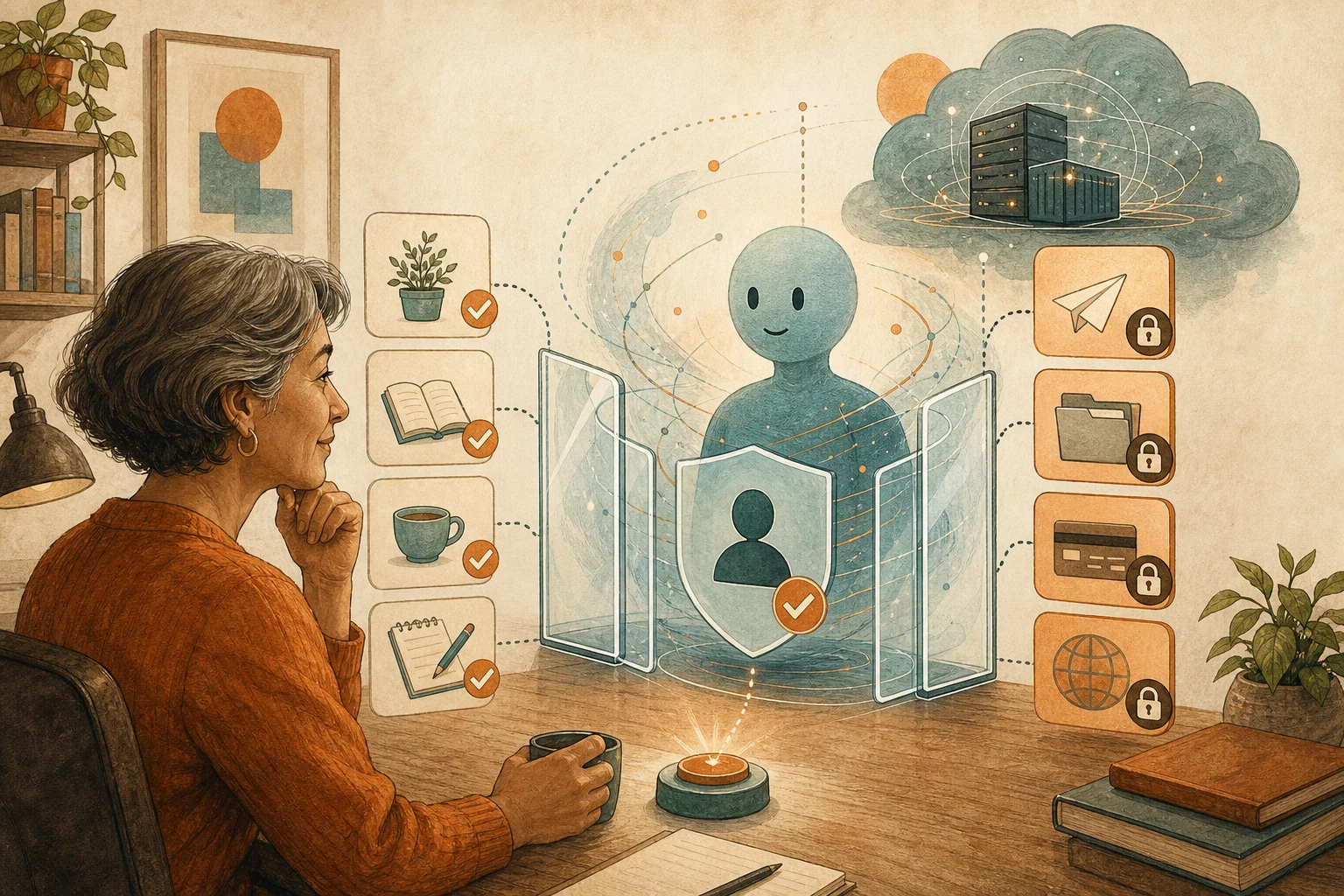
An always-on assistant acts while you're away, and the vendor defines which actions are high-stakes. Before connecting main accounts, write your own list: read only, draft only, wait for your yes.
A New York startup cleans homes free if it can film the work and license the footage for robot training. Blurring hides faces, not your home's layout. Ask who gets it and whether you can delete it.